The Sunshine Vitamin

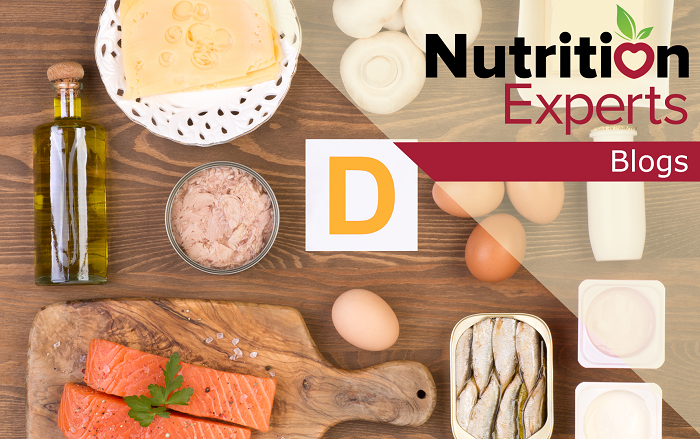
Foods with Vitamin D

Image: Photka/ShutterStock

By: Rise Morisato, CSUN Dietetic Intern

Vitamin D, often called the sunshine vitamin, is an essential fat-soluble vitamin that plays an important role in keeping our bones healthy. If you live in an area with sun exposure all year, such as sunny California, a vitamin D deficiency may be one of the last things on your mind. However, studies have shown that vitamin D deficiencies are a public health problem, even in traditionally sunny areas.1 Continue reading


Stretch Your Food Dollars

Image: Neonbrand/Unsplash

By: Mariah Haroon, CSUN Dietetic Intern

If you find yourself struggling with your food budget, ask yourself these questions: How many times have I opened my refrigerator to restock groceries only to find out that I had more than enough groceries to last me for a week? Am I actually checking the food for signs of it going bad before throwing it away? Am I taking full advantage of all the money saving resources that are out there for groceries? If your answers lead you to believe that you can use some help in saving money on food, here are a few tips for you. Continue reading


Spinach: Popeye’s Favorite Food

spinach leaves

Image: ThiloBecker/Pixabay

By: Sophia A. Lopez, DTR, CSUN Dietetic Intern

Fifty-five percent of Americans that were buying leafy greens in 2015 were buying iceberg (head) lettuce.Iceberg lettuce is 96% water, which can help keep you hydrated2 but it does not have the plethora of nutrients found in dark leafy greens, like spinach. Although hydration is important, getting a variety of leafy greens will give our body more health benefits. Popeye, an all time favorite television character of the 1930s loved spinach and had influenced many others to love it as well during his time. In America, the consumption of spinach increased by 33% when Popeye was around,3 however today, spinach has been lost in the shadows of kale. Continue reading


Eating More Omega-3 Fats

By Maddie Hoeks, BS, CSUN Dietetic Intern

Increasing Omega-3 Fatty Acids In Our Diet

The American diet has definitely taken some detrimental turns. More specifically, there has been a significant increase in omega-6 fatty acid consumption and a decrease in the omega-3 fatty acid consumption. This is partially due to modern agriculture and changes in how our livestock is being fed1. These changes have lowered the amount of omega-3 fatty acids in a variety of foods such as animal meats, eggs, and fish1. Dietary choices also play a huge role in this change. Currently we see a ratio of around 20:1 of omega-6 to omega-3 fat intake in Western diets today1. A ratio of 4:1 is more desirable and associated with a 70% decrease in total mortality2. Continue reading


Hydrate Your Body

drinking glass with water

Image: Rawpixel/Unsplash

By: Tania Menachegani Khachatourians, B.S., CSUN Dietetic Intern

Water is an essential part of our everyday life and should be taken on a daily basis for proper bodily functions. The human body can survive weeks without food, but without water we only have a few days to survive.1 Therefore, keeping our bodies hydrated is the most important nutritional need above all else! Continue reading


Health at Every Size

Having fun in dance class

Rawpixel/ShutterStock

By: Griseida Ruiz, DTR, CSUN Dietetic Intern

In a world where we are obsessed with our weight, how we look and slim-figured celebrities it is nice to see movements such as Health at Every Size (HAES) arise. Social media, filters, and Photoshop have greatly contributed and influenced this obsession, and have caused many of us to focus all of our attention on weight rather than health. Thin people are labeled as having the ultimate body with many people assuming they are disciplined eaters, while their overweight and obese counterparts are assumed to be binging at every meal. HAES is an inclusive movement popularized by Dr. Linda Bacon’s book Health at Every Size: The Surprising Truth About Your Weight that supports people of all shapes and sizes by promoting respect, critical awareness and compassionate self-care.1 Continue reading


How Sodium Relates to Making Healthy Lifestyle Changes

Heart shaped bowl berries

Image: Jamie Street/Unsplash

By Laura Ann Horwitz, CSUN DPD* Student

This is the fourth article in the series on Sodium. The first two articles centered on foods that contribute to a high Sodium diet, and how to reduce Sodium when eating on campus (or eating out). The third article concentrated on Sodium as it relates to health. In our last article, we’ll explore how to implement healthy lifestyle changes, which include lowering your sodium intake. Continue reading


Sodium: Why should you care?

salt shaker

Image: Bru-nO/Pixabay

By Laura Ann Horwitz, CSUN DPD* Student

This article in the series on Sodium, will discuss health issues relating to sodium, and explain some of the jargon you see written about it.

So, what’s the buzz about eating sodium? Why should you care about how much sodium is in the food you eat?
Although sodium is an essential mineral needed for our body to function properly, eating foods with high levels of sodium have been linked to numerous health concerns including high blood pressure, heart disease, stroke, osteoporosis and stomach cancer.1 All of these issues impact and cause a burden to the economy of the United States, as well as to the framework of our current healthcare. Researchers have determined that reductions in our daily consumption of sodium could decrease both the number of illnesses among Americans related to sodium consumption, and the amount of money the U.S. could save in health care expenses.2 Continue reading


10 Tips to Reduce Sodium When Eating on Campus

table salt

Image: Congerdesign/Pixabay

By Laura Ann Horwitz, CSUN DPD* Student

This is the second of a four part series of articles on Sodium. Eating foods with too much sodium can contribute to high blood pressure, which often leads to stroke, heart attack, and other chronic diseases1. In our last blog article, we reviewed 10 high sodium foods most Americans eat on a regular basis. Here are 10 ways you can cut down on sodium when you are eating on campus (or eating away from home). Continue reading


10 Foods that Contribute to a High Sodium Diet

Nutrition Experts blog logo with salted pretzels

Couleur/Pixabay

By Laura Ann Horwitz, CSUN DPD* Student

This is the first of a four part series of articles on Sodium, one of the essential micronutrients needed by our body for proper functioning and development.1  Why should you care about how much sodium is in your diet?  Consuming too much sodium increases your risk of high blood pressure, putting you in danger of experiencing heart disease or having a heart attack or stroke.1 Recommended daily guidelines of sodium consumption for Americans are less than 2,300 milligrams (mg) every day.2  Each of the articles in this series will focus on different aspects of sodium in your diet, and how making small, healthy changes in the amounts you consume will improve your overall health. Continue reading