Soy Bueno

By Shely Salemnia, DTR, CSUN Dietetic Intern

Soy has been getting a lot of flack on the internet. This is because soy contains isoflavone, which is a type of phytochemical. It is also a type of phytoestrogen which resembles human estrogen. Estrogen is a female hormone that has been linked to breast and uterine cancers. Because of this, many people have associated phytoestrogens with increasing estrogen levels and thus increasing risk of breast cancer. Thus, many people have avoided soy with fear of developing breast cancer or re-occurrence of breast cancer. However, research has shed more light on the subject. Continue reading →

Coffee: Not Your Average Joe

CoffeeBy Shely Salemnia, DTR, CSUN Dietetic Intern

Coffee is heralded throughout the world for its stimulating properties, delicious flavors, and invigorating aroma. But did you know coffee has many health benefits as well?

Commonly known to have originated from Ethiopia, coffee is a beverage enjoyed throughout the world; as a start to the day, as a pick-me-up, or even for ceremonial purposes1. This beverage has a passionate fan base in all four corners of the world, and even has developed its own culture. Coffee is the seed from a fruit called the coffee cherry2. The green seeds are processed and then roasted, giving it a dark brown coloring. The seeds are then ground up and heated with water to extract what we know as coffee. Continue reading →

Flaxseeds: A Nutrient Dense Superfood!

By Laleh Bral, CSUN Dietetic Intern

Flaxseeds are one of the oldest cultivated crops known to man – consumed 5,000 years ago in ancient Babylon and a favorite food of King Charlemagne in the 8th century. Flaxseeds are small, tan, brown or golden-colored seeds and are also known as linseeds. This tiny seed packs a big nutritional punch!

Flaxseeds are rich in omega-3 essential fatty acids, fiber (both soluble and insoluble), potassium and magnesium. They are also a good source of zinc, protein and B vitamins. Flaxseeds are low in calorie and saturated fats, and are cholesterol-free. One hundred grams of ground flaxseed supply approximately 450 kilocalories, 28 grams of fiber, 41 grams of fat and 20 grams of protein.1 Continue reading →

Hibiscus Flower Tea

By Laleh Bral, CSUN Dietetic Intern

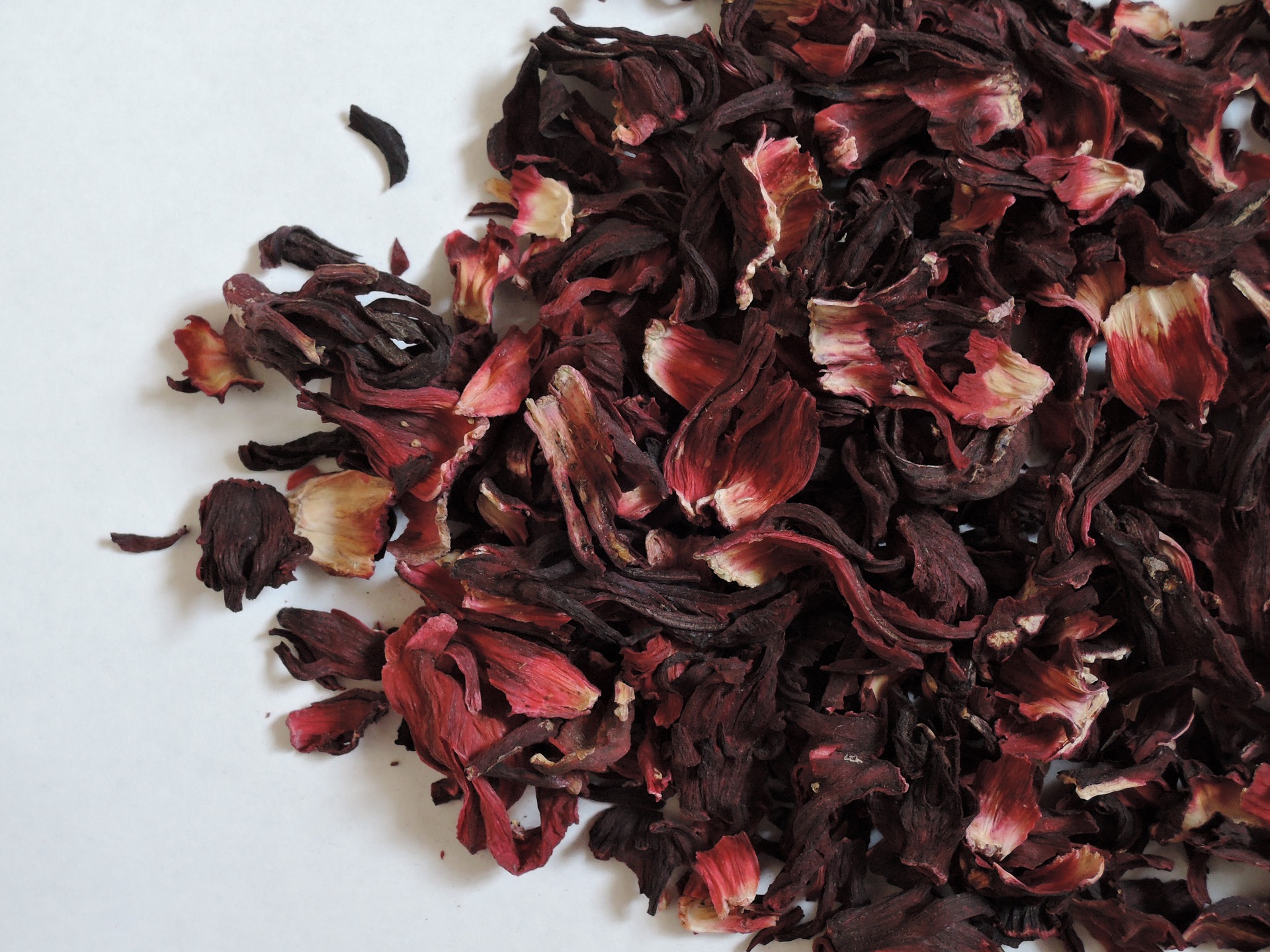
Hibiscus tea, made from dried hibiscus flowers, is a ruby red herbal tea with a tart, cranberry-like flavor and a refreshingly tangy taste. It works well as a thirst quenching iced beverage or an invigorating hot tea. Hibiscus can be used to make a plant based food dye in items such as frosting and syrup. Continue reading →

The Women, Infant, and Children (WIC) program at CSUN

By Guadalupe Alfaro Cabrera, BS, CSUN Dietetic Intern

The Women, Infant, and Children (WIC) program helps pregnant, breastfeeding and postpartum women, infants, and children under age 5 to eat well and stay healthy by providing healthy foods at no cost. WIC participants also receive free nutrition education, breastfeeding support, screenings, and referrals to other health and social services1.
Continue reading →

Breastfeeding and Pumping at CSUN

By Guadalupe Alfaro Cabrera, BS, CSUN Dietetic Intern

Research has shown that breastfeeding offers many health benefits for infants and mothers. Breastfeeding offers infants nutritionally balanced meals at the adequate temperature. The American Academy of Pediatrics (AAP) recommends to exclusively breastfeed for the first 6 months of life, because breast milk is sufficient to support optimal growth and development, and to continue for at least 12 months1. Additionally, breast milk offers protection against some diseases, and lowers the risk for Sudden Infant Death Syndrome2. Breastfeeding helps the mother heal faster after childbirth. Women that breastfeed have a lower risk to develop type 2 diabetes, certain types of breast cancer and ovarian cancer3. Continue reading →

Turmeric: The Golden Spice

By Stephanie Ng, CSUN Dietetic Intern

Turmeric is a spice that gives curry its yellow color, and it has been used in Indian traditional medicine for thousands of years1, 2. It comes from the turmeric root, which is related to the ginger family3, so turmeric can have a peppery flavor4. This spice contains the active ingredient, curcumin, which has been shown to have anti-inflammatory and antioxidant content3,5. It has traditionally been used in Indian medicine to treat inflammatory conditions, cardiovascular health, skin diseases, wounds, and gastrointestinal discomfort2,3,5. In addition, turmeric may reduce body weight, lower triglycerides, increase basal metabolic rate, and improve insulin sensitivity5. Clinical trials have also shown to help alleviate symptoms of joint arthritis1 and improve brain function6. Adding a little bit to your meals may exert health benefits! Continue reading →

Oodles of Zoodles

By Stephanie Ng, CSUN Dietetic Intern

Have you tried Zoodles, or also known as zucchini noodles?

Zoodles are made from spiralizing raw zucchini into spaghetti-like strands. Lower in calories, zoodles can be a gluten-free alternative to your traditional spaghetti1. A fresh and lighter version to traditional spaghetti2, zucchini noodles can be different and fun to make. Compared to spaghetti, zucchini noodles contains more vitamin A, C, B, potassium, and fiber3 and it is lower in calories than traditional spaghetti4. Best of all, increasing your vegetable intake may help lower blood pressure and prevent diabetes5, 6.This is also a great choice to increase your vegetable intake, get the most nutrients and vitamins, and maintain a healthy weight. Not ready to try it yet? Try mixing whole-grain spaghetti with zucchini noodles. Continue reading →

Chickpeas and Hummus

By Steven Surico, BS, CSUN Dietetic Intern

Chickpeas belong to the legume family, which includes a variety of beans, peanuts, soybeans, and lentils, but are sometimes referred to as “pulses.”  Legumes are known to be an excellent dietary source of protein, carbohydrates, and fiber. Chickpeas are a good source of important vitamins such as riboflavin, niacin, thiamin, folate, and vitamin A precursor B-carotene1. Traditional hummus is a nutrient-dense dip or spread made from cooked, mashed chickpeas, blended with tahini, olive oil, lemon juice, and spices. To ensure you are getting a nutrient dense hummus, make it yourself with the ingredients listed above! Continue reading →

Heal me Honey!

By Steven Surico, BS, CSUN Dietetic Intern

Honey is a natural product formed from the nectar of flowers by honeybees. It has widely been used for its therapeutic effect as well as nutritional purposes. It is primarily fructose and glucose, but also contains many amino acids, vitamins, minerals, and enzymes. Within the estimated 200 different substances that make up honey, they work together to create a synergistic antioxidant effect.1 Continue reading →