
Writte n by Karina N. Almanza, CSUN Dietetic Intern
When I tell people I’m a vegan, 80% of them will respond, “Wow, I could never be a vegan.” The other 20% think it might be attributed to a career in nutrition as an aspiring Registered Dietitian or just all together think I’m crazy. Granted, I am slightly crazy but that’s just part of my quirky personality and has nothing to do with the title I take on as a vegan.
A vegan is an individual who abstains from the consumption of animal-related products avoiding meat, poultry, fish, eggs, milk, dairy products (butter, yogurt, cheese, ice cream) and honey. Continue reading


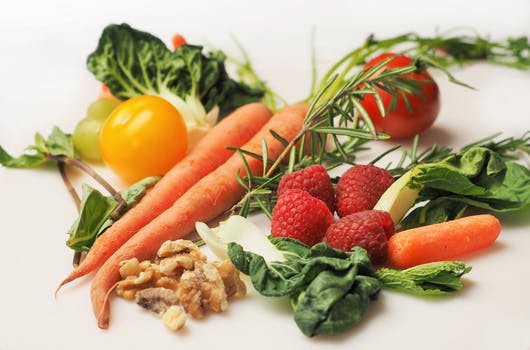


 Cold season is upon us and sometimes no matter how many times a day you wash your hands and stay away from people with a cold it’s a matter of time before you catch it yourself. One way to build resistance to catching the common cold is to eat foods that protect you from the effects of the cold. Here are some helpful tips to make the common cold not so common.
 The word “fats” scares many. It is one of the most misleading food items by consumers. Everyone thinks that you have to stay away from it; however not all fats are created equal. There are fats that are actually good for you especially for your cardiovascular system; basically they are “heart-healthy”. Here I’ll discuss some nutritious fatty foods that you can incorporate into your diet, many of them may even surprise you.
 What are probiotics? The definition for probiotics vary, but the one most accepted by the scientific community is that they are “live microorganisms, that when administered in adequate amounts, confer a health benefit on the host” (FAO 2001, as revised by Hill et al. 2014).